
Konferenzen in der Übersicht
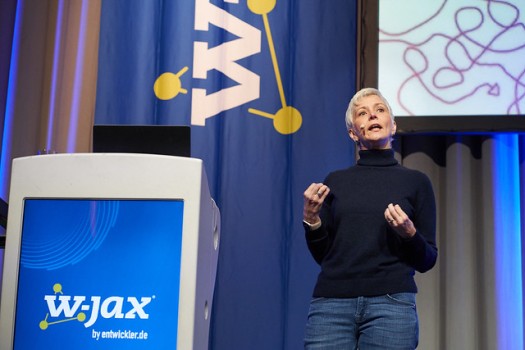
W-JAX 2024 | München oder Online
04.11. – 08.11.2024
München im Java-Fieber! Wir bedanken uns bei allen Teilnehmer:innen, Speaker:innen und Beteiligten, dass die W-JAX 2024 wieder so unfassbar wurde.
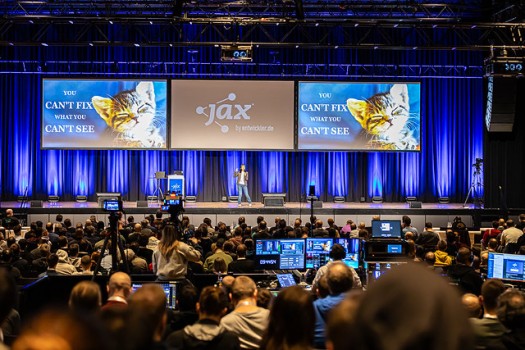
22.04. – 26.04.2024
Die Rheingoldhalle gefüllt mir geballtem Java-Wissen. Wir danken allen Teilnehmer:innen und Beteiligten, die die JAX 2024 zu einem Riesenerfolg machten.
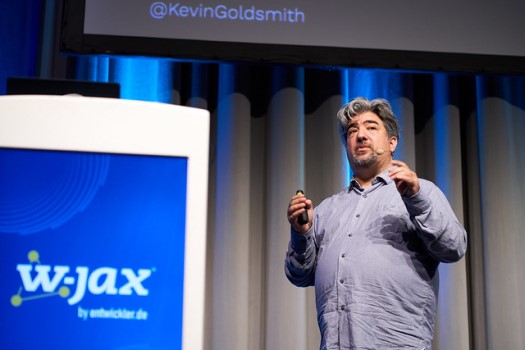
W-JAX 2023 | München oder Online
06.11. – 10.11.2023
München im Java-Fieber! Wir bedanken uns bei allen Teilnehmer:innen, Speaker:innen und Beteiligten, dass die W-JAX 2023 wieder so unfassbar wurde.
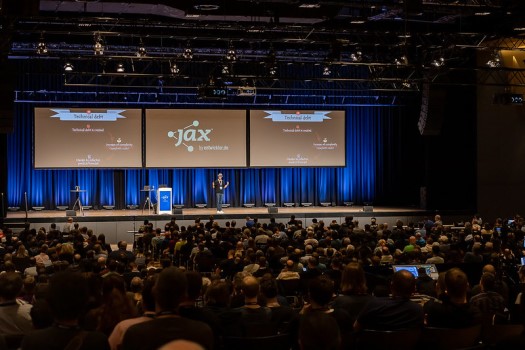
08.05. – 12.05.2023
Die Rheingoldhalle gefüllt mir geballtem Java-Wissen. Wir danken allen Teilnehmer:innen und Beteiligten, die die JAX 2023 zu einem Riesenerfolg machten.
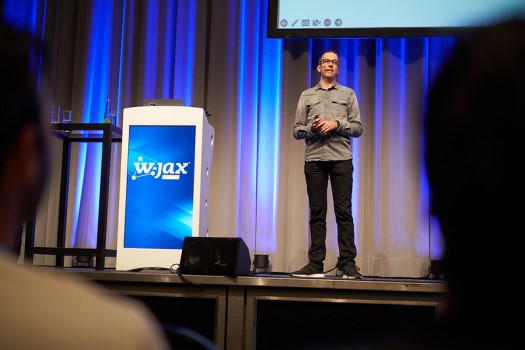
W-JAX 2022 | München oder Online
07.11. – 11.11.2022
Wir bedanken uns bei allen Teilnehmer:innen und Unterstützer:innen, die es ermöglicht haben, die W-JAX 2022 in diesem Ausmaß zu ermöglichen.
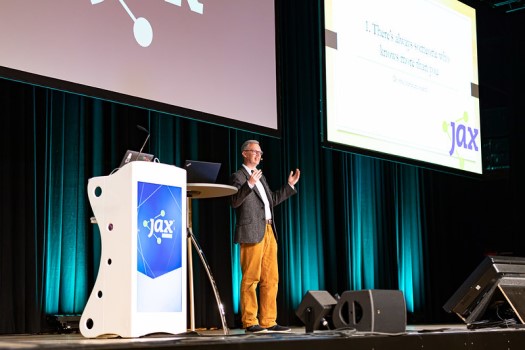
02.05. – 06.05.2022
Die JAX ist zurück in der neuen Rheingoldhalle! Wir möchten uns recht herzlich bei allen treuen Speakern und Teilnehmern für die Einblicke in die spannenden Trends der Java-Welt bedanken.
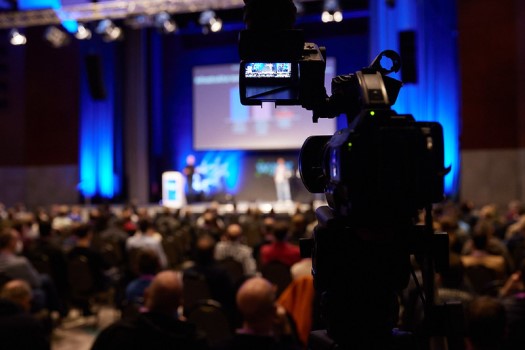
W-JAX 2021 | München oder Online
08.11. – 12.11.2021
Wir möchten uns ganz herzlich bei allen treuen Speakern und Teilnehmern für die spannenden Einblicke in die aktuellsten Trends der Java-Welt bedanken.
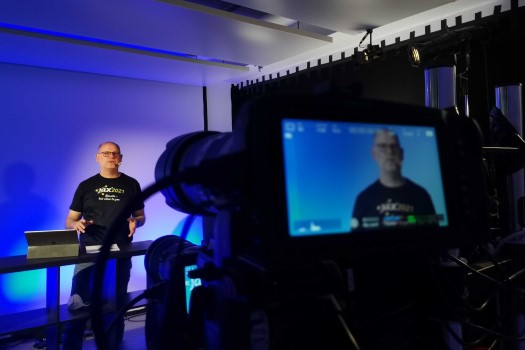
03.05. – 07.05.2021
Die erste Online-Edition der JAX. Danke allen Teilnehmern, Speakern und Sponsoren für eine gelungene JAX 2021 Online.
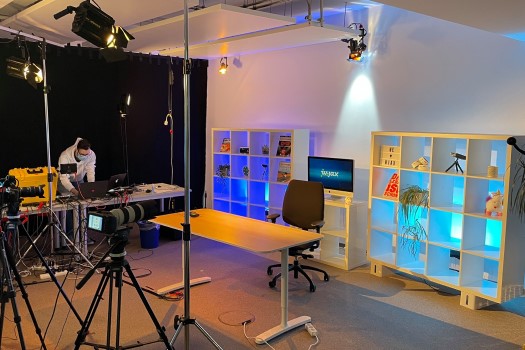
02.11. – 06.11.2020
Die erste Online-Version der W-JAX. Wir möchten uns ganz herzlich bei allen treuen Speakern und Teilnehmern für die spannenden Einblicke in die aktuellsten Trends der Java-Welt bedanken.
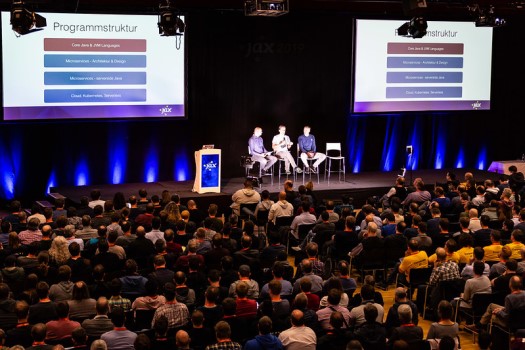
07.09. – 11.09.2020
Die JAX 2020 war die erste Hybrid-Edition. Vielen Dank an alle, die dieses Erlebnis in diesen Zeiten ermöglicht haben.
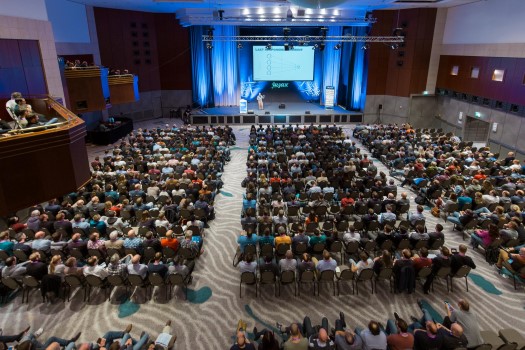
04.11. – 08.11.2019
Wir möchten uns ganz herzlich bei allen treuen Speakern und Teilnehmern für die spannenden Einblicke in die aktuellsten Trends der Java-Welt bedanken.
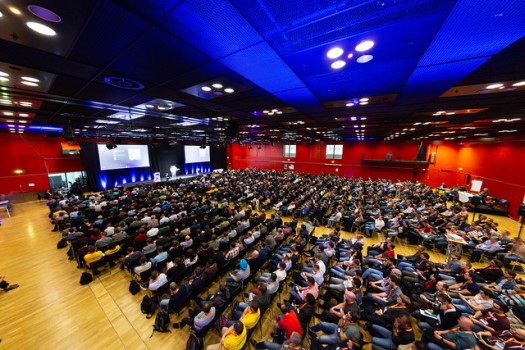
06.05. – 10.05.2019
Auf der JAX 2019 fanden sich Top-Speakern und Branchenexperten zu einem intensiven Wissensaustausch zusammen. Besonders diskutierte Themen waren welche Neuerungen mit Java 12 der Java-Community bevorstehen, wie es mit Jakarta EE weiter geht und welche Continuous Delivery-Zyklen zu welchen Unternehmen passt.
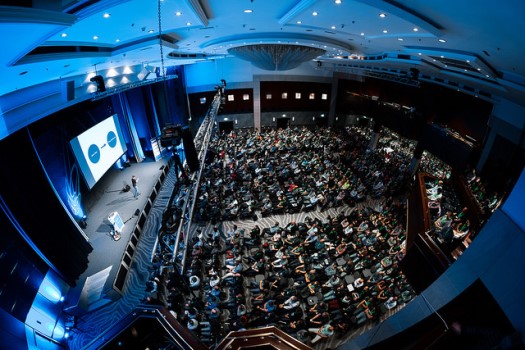
05.11. – 09.11.2018
Die W-JAX 2018 bot 5 Konferenztage, welche gefüllt waren mit praxisnahen Workshops, erkenntnisreichen Diskussionrunden und unterhaltsamen Events. Am meisten wurden Themen wie Cloud Native, Deep Learning und Microservices diskutiert.
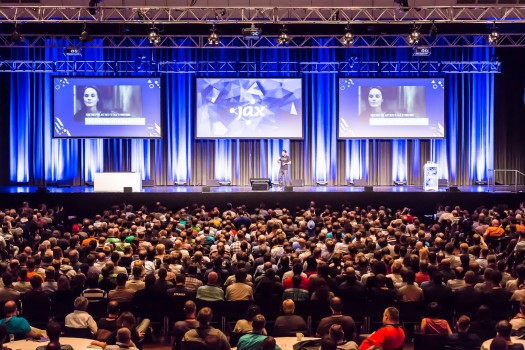
23.04. – 27.04.2018
An allen 5 Tagen der JAX 2018 lag Neugierde und Interesse in der, mit Java und Microservices, getränkten Luft. Wir haben detailverliebete Experten Panels verfolgt, die interessanten Tiefen von Spring erkundet und die neuen Höhen von Jakarta EE notiert.
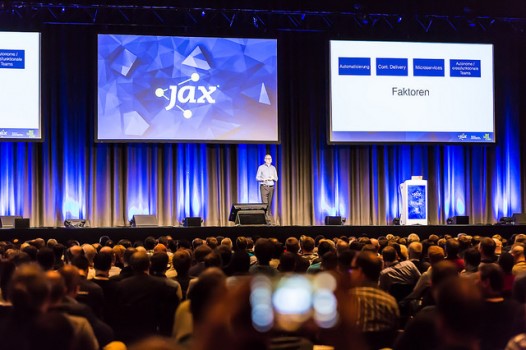
08.05. – 12.05.2017
Alle Jahre wieder fand die JAX in der Rheingoldhalle in Mainz statt. Die Veranstaltung lockte viele Besucher an und war bisher die größte JAX, die jemals veranstaltet wurde.
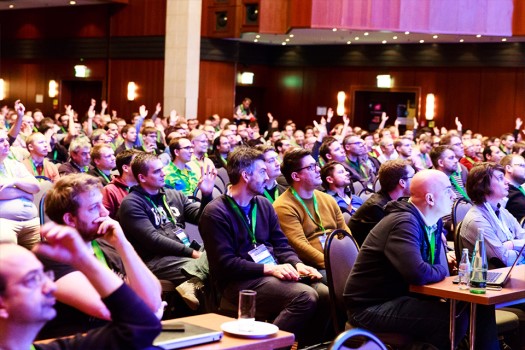
07.11. – 11.11.2016
Danke allen Teilnehmern, Sponsoren für eine gelungene W-JAX 2016 in München. Wir freuen uns auf die nächsten Events mit Ihnen!

by entwickler.de
by entwickler.de